UK Delivery Benchmark 2026 – Lessons from 100 Mystery Shops During Peak
DOWNLOAD FREE REPORT
10 minute read
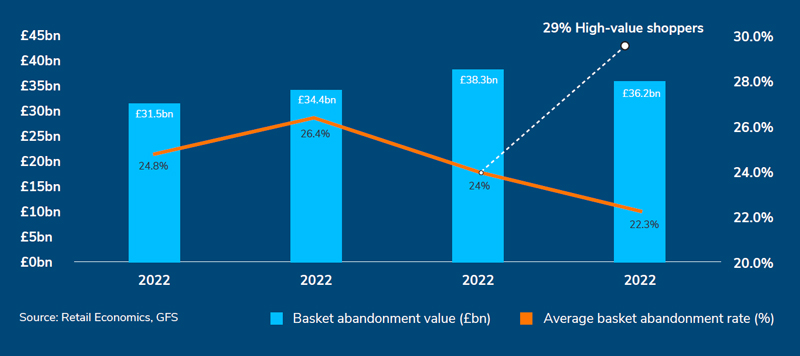
How delivery friction is costing retailers £36bn at checkout
We surveyed UK shoppers and mystery shopped 100 retailers during peak trading to benchmark delivery choice, cost, speed and reliability
Delivery is no longer a back-end operational function. It is a commercial lever that shapes conversion, customer trust and repeat purchase. This report shows where shopper expectations now sit, how 100 UK retailers performed during peak trading, and why gaps in choice, price and reliability continue to drive basket abandonment.
Despite improvements in checkout conversion, £36bn worth of non-food baskets are still abandoned due to delivery-related friction. The risk is especially acute among high-value shoppers, who expect more choice, faster options and greater reliability from the retailers they use most often.
What you can learn from this report
• How to identify the delivery friction points most likely to cause checkout abandonment.
• How to balance delivery choice, cost and speed without over-engineering the proposition.
• Where high-value shoppers differ from lower-value shoppers in delivery expectations.
• How to use premium delivery and free-delivery thresholds to protect margin and improve conversion.
• How to design delivery propositions that build loyalty beyond a single transaction.
Key report insights
• £36bn worth of non-food baskets are still abandoned at checkout due to delivery-related reasons.
• Poor delivery options caused high-value shoppers to abandon 29% of shopping carts in 2025, compared with 22% across all shopper types.
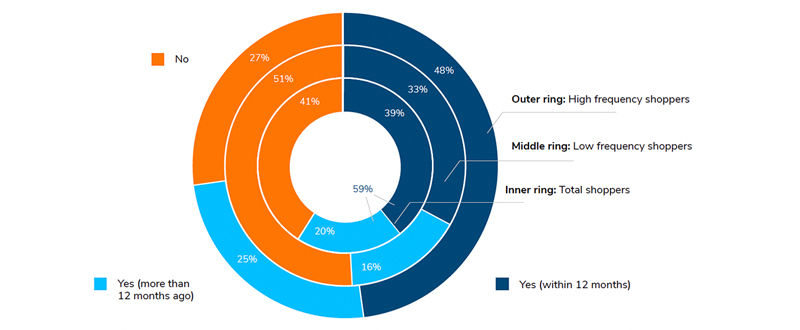
• Three in five shoppers have abandoned a purchase or switched retailer because delivery options did not match their needs.
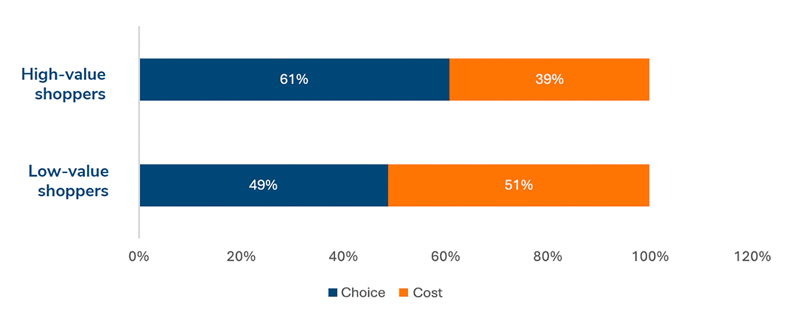
• 61% of high-value shoppers put delivery choice ahead of delivery cost.
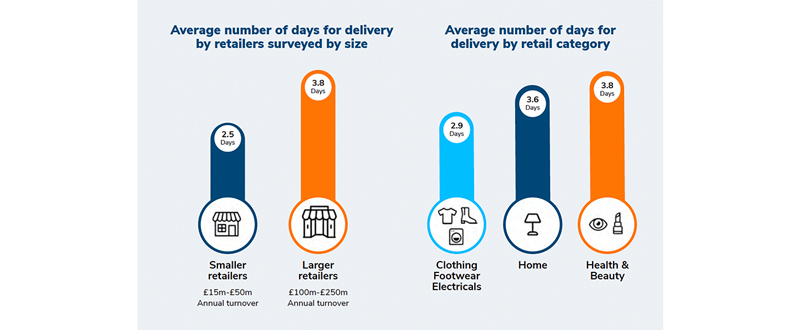
• Smaller retailers delivered in 2.5 days on average, while larger retailers took 3.8 days.
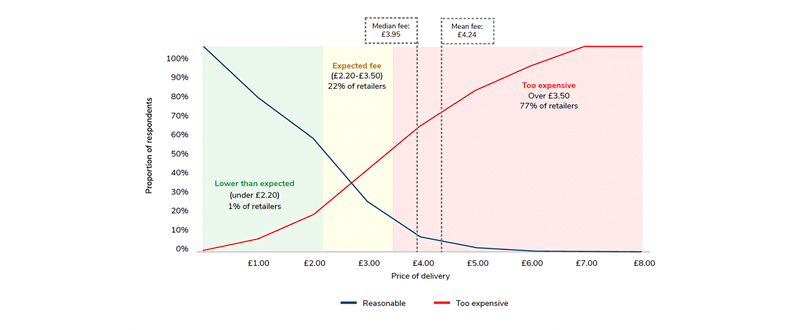
• Shoppers say £3.50 is the upper limit for acceptable standard delivery fees, yet 77% of retailers charge more than this.
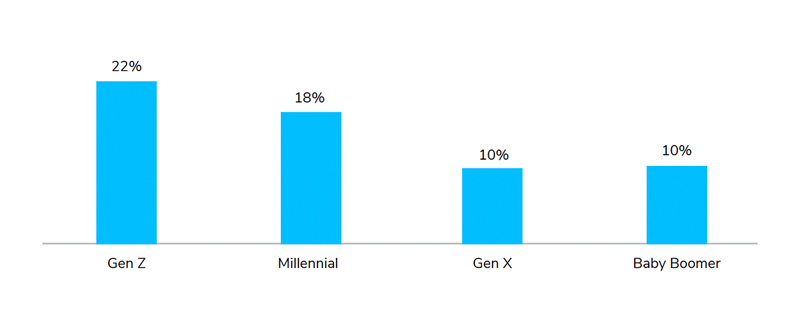
• Only 14% of shoppers rate eco-friendly delivery as important, rising to 22% among Gen Z.
Basket abandonment remains a major drag on online retail. While rates have eased from their 2023 peak, delivery-related friction continues to displace billions in non-food spend each year. Many retailers have strengthened their delivery propositions, but shoppers remain highly sensitive to delivery choice, speed and flexibility.
Figure 1 – Checkout conversion improves, but £36bn still lost to basket abandonment
Source: Retail Economics, GFS
Importantly, abandonment is no longer about losing a single transaction. Retailers risk losing customer lifetime value when delivery expectations are not met. Nearly three in five shoppers have abandoned or switched to a different retailer because delivery options were insufficient.
Figure 2 – Qu: Have you ever abandoned a purchase or switched to a different retailer because the delivery options did not match what you needed?
Source: Retail Economics, GFS
Delivery choice is not a universal preference; it differs sharply by shopper value. High-value shoppers place greater emphasis on flexibility and control, while lower-value shoppers are more cost-led. Retailers relying on a one-size-fits-all delivery model risk missing both conversion and margin opportunities.
Figure 6 – Choice is more important than cost for high-value shoppers
Source: Retail Economics, GFS
Speed is a delicate balance. Some retailers exceed expectations and may be paying for speed shoppers do not need, while others fall outside the tolerance window and create dissatisfaction. Larger operators are slower on average, making expectation management and credible alternatives critical.
Average number of days for delivery by retailers surveyed by size and category
Source: Retail Economics, GFS
Cost remains one of the clearest checkout risks. Shoppers view anything above £3.50 as too expensive for standard delivery, yet the average retailer delivery fee is £3.95. This creates a structural mismatch between price tolerance and retailer charging models.
Figure 9 – Retailers’ average delivery fee is £3.95
Source: Retail Economics, GFS
Sustainability sits at the margins of delivery decision-making. It matters more to younger shoppers, particularly Gen Z and Millennials, but remains secondary to cost, choice, speed and reliability when shoppers decide whether to complete a purchase.
Figure 11 – An average of 14% of shoppers rate sustainability as important, rising to over a fifth of Gen Z
Source: Retail Economics, GFS
The strongest delivery propositions are not simply faster or cheaper. They are calibrated around shopper missions, clear price thresholds and reliable fulfilment. Retailers that treat delivery as a growth lever can reduce abandonment, protect margin and strengthen loyalty among the shoppers most valuable to retain.