The Commuter Pound: How rail journeys create Britain’s most valuable shopping hour
DOWNLOAD FREE REPORT
10 minute read
How brands are turning commuter rail journeys into high-value shopping time
We surveyed 2,000 UK rail commuters to understand how the commuter economy is reshaping retail, media and brand engagement
Beyond primetime TV and social media feeds, a critical battleground for attention has quietly emerged on Britain’s rail network. The daily train journey has evolved from dead time into one of the most commercially potent environments for discovery, browsing and buying. This report uncovers how rail commuters constitute a premium audience – younger, more affluent, digitally fluent and highly engaged – whose everyday routines are now tightly interwoven with shopping, streaming and brand interaction.

Key report insights
• Rail commuters form a high-value customer group, contributing billions to the UK economy and significantly outperforming the average consumer in income, digital engagement and online shopping activity.
• A notably large share earn £70,000+, creating a premium, urban, digitally fluent audience with greater spending power and stronger intent to shop during their journeys.
• Commuters enter a unique ‘dwell state’ – a combination of physical containment, consistent connectivity and predictable timing – that makes them highly receptive to browsing, discovery and impulse transactions.
• Advertising on the rail network drives measurable action, with commuters recalling brands, searching online and making purchases directly in response to on-train and station media.
• Mid-journey is the commercial peak, when passengers are settled, connected and focused – making it the moment of highest conversion potential for brands seeking immediate engagement.
• Commuting is now integrated into the shopping cycle: many commuters plan purchases, deliveries and store visits around travel days, reinforcing the role of the rail network within omnichannel journeys.
• Returns behaviour is shifting too, with passengers using commuting routines to manage drop-offs and exchanges – providing new touchpoints for re-engagement and loyalty building.

Commuters and their 'Dwell State'
Drawing on exclusive research from a nationally representative survey of 2,000 UK rail commuters, the analysis shows how their behaviour is structured, repeatable and commercially rich. Commuters are not only planning their journeys, they are also planning purchases, deliveries and returns around the days they travel.
During the journey itself, many move into a distinct ‘dwell state’ in which they are physically contained, reliably connected, and mentally open to exploration. This combination of time, attention and spending power creates what we describe as Britain’s most valuable shopping hour – and a powerful but underutilised channel for retailers, brands, media owners and transport partners.

What you can learn from this report
• How to profile and prioritise high-value commuter segments – from younger, high-income city workers to frequent online shoppers – and build them into your audience strategy as distinct, measurable cohorts rather than a generic ‘traveller’ group.
• How to design creative, messaging and formats around the commuter ‘dwell state’ – aligning content with the natural rhythm of the journey, from platform wait, to mid-journey focus, through to the last-mile push before arrival.
• How to integrate trains, stations and surrounding retail locations into a joined-up customer journey – connecting on-train media with mobile search, marketplaces, retail apps, click-and-collect and returns to create a seamless loop from inspiration to fulfilment.
• How to treat commuter environments as performance channels – using clear calls to action, compelling value propositions and digital bridges (e.g. QR, app deep links, offers) to drive measurable response, not just upper-funnel awareness.
• How to align media and retail strategies with hybrid working patterns – understanding how commuting frequency, days in the office and flexible schedules are reshaping when and where customers are most receptive to brand interaction.
• How to build a roadmap for ‘next generation commuter commerce’ that combines rich audience insight, smart placements, digital connectivity and emerging technologies such as AI-powered personalisation and shoppable content around the rail journey.
Sneak peek at report insights...
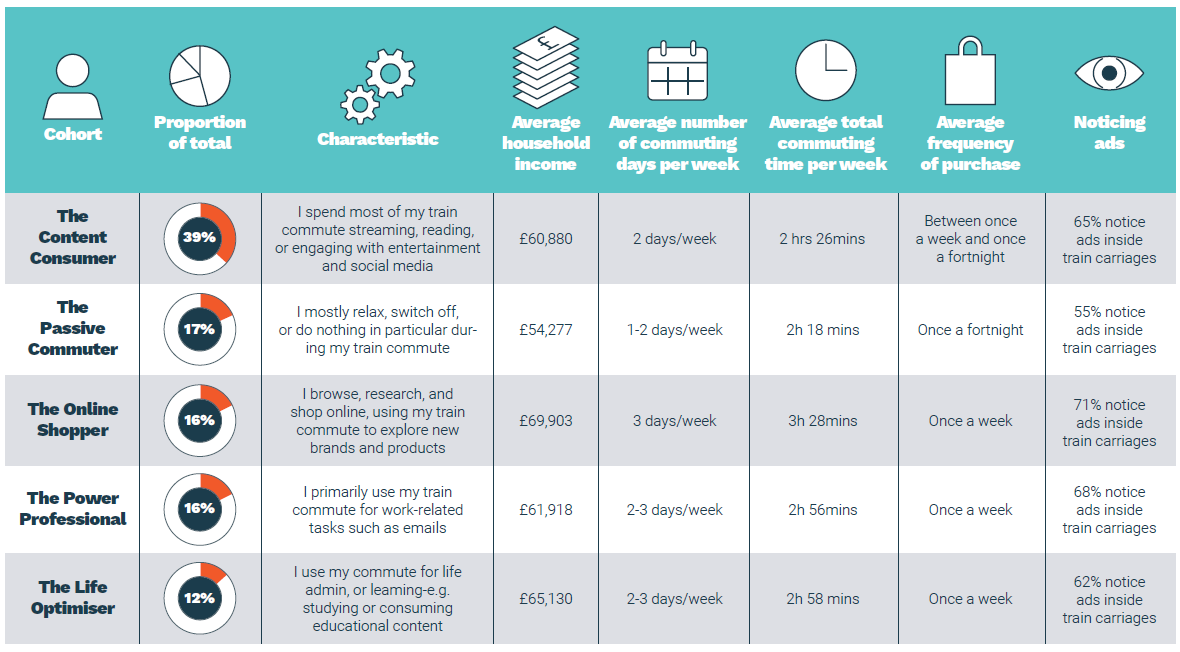
Figure 1 – Commuter cohort characteristics
Source: KBH, Retail Economics
This figure breaks the commuter audience into distinct cohorts based on age, income, commuting frequency and digital behaviour. It highlights, for example, a sizable group of younger, affluent ‘online shopper’ commuters who are heavy users of ecommerce and streaming services. For brands, these cohorts illustrate where the highest-value opportunities sit and how different groups respond to the rail environment in different ways.
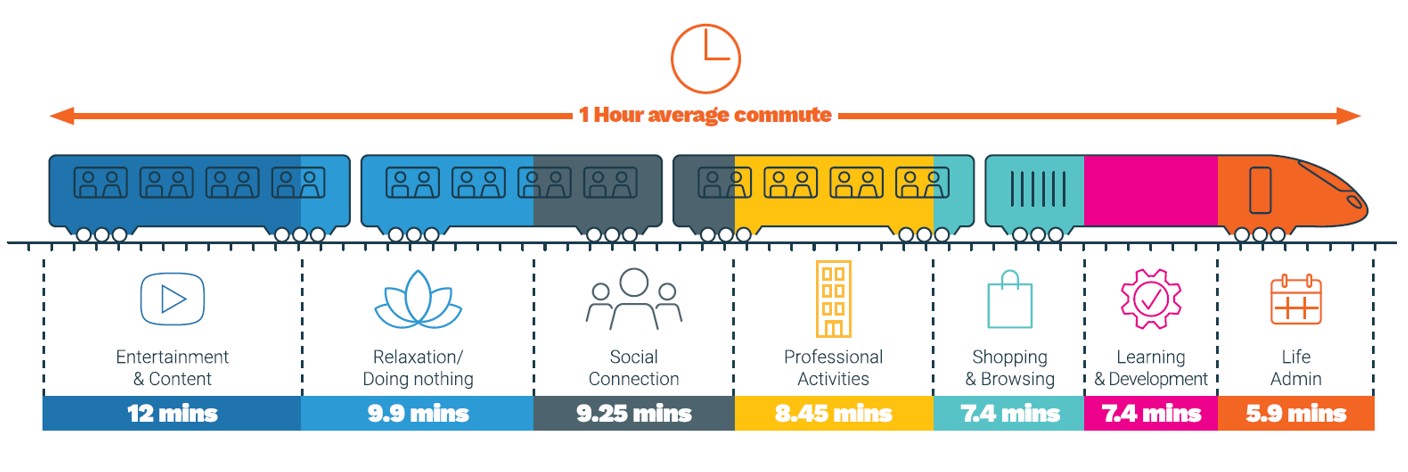
Fig 3: Commuters spend the largest proportion of their time on entertainment
Qu: Thinking about how you spend your time while commuting by train, how would you divide your 60
minutes across the following activities? (averaged across outbound and return trips)
Source: KBH, Retail Economics
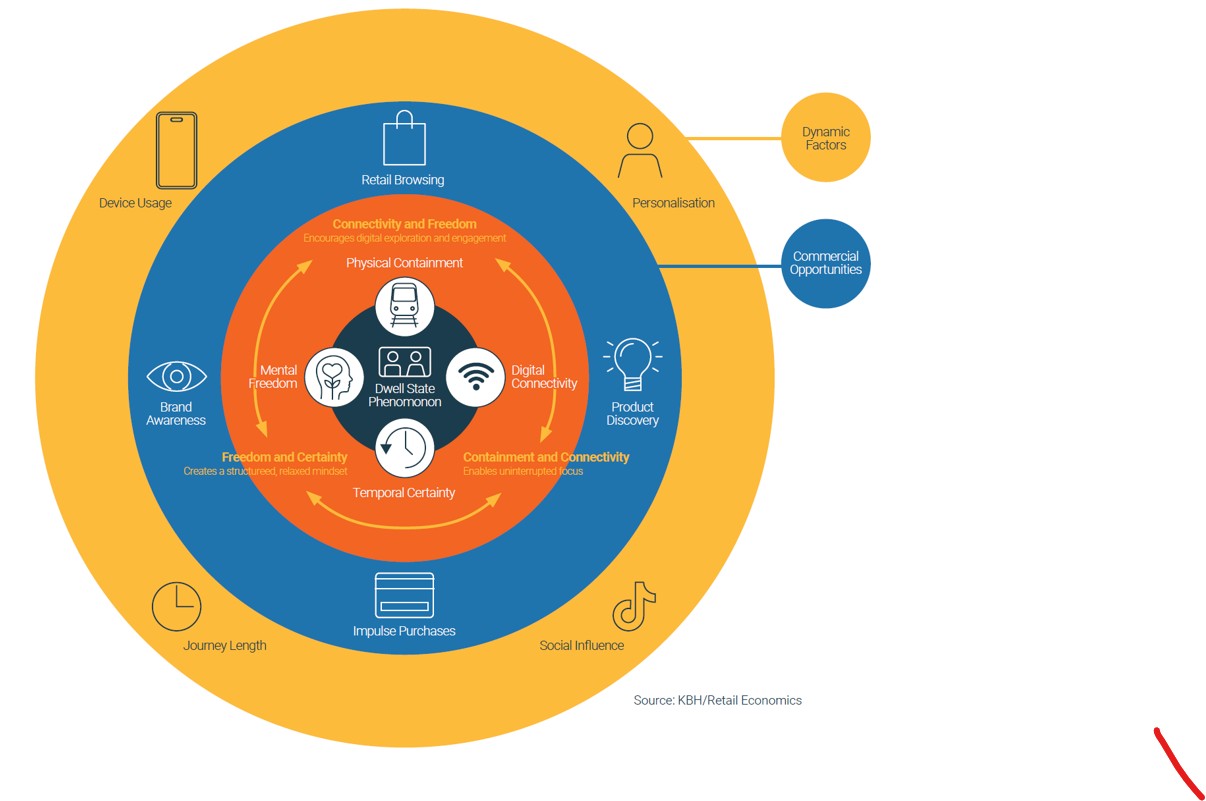
Figure 6 – The Commuter 'Dwell State Phenomenon' model
Source: KBH, Retail Economics
Our framework visualises the psychological conditions that make the train journey so commercially powerful. At its core are four drivers – physical containment, digital connectivity, temporal certainty and mental freedom – which together create an environment where commuters are primed to browse, discover and transact. Around this sits a ring of commercial implications, showing how brands can tap into the dwell state with relevant offers, content and services at precisely the right moment.
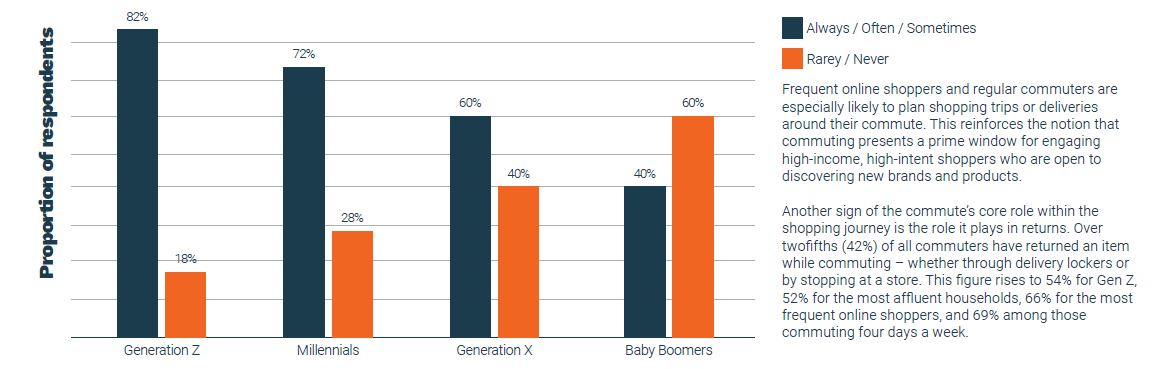
Figure 11 – Younger commuters are planning their shopping and deliveries around their commuting days
Source: KBH, Retail Economics
This chart illustrates how hybrid working has reshaped retail behaviour, particularly among younger commuters. Gen Z and Millennials are notably more likely to coordinate shopping trips and home deliveries with days they know they will be travelling. For retailers and carriers, this has major implications for assortment planning, delivery propositions and services located at or near stations, as the commute becomes a key organising principle for everyday shopping decisions.
As media costs rise and customer journeys become more fluid, the daily rail commute emerges as a rare combination of predictable time, focused attention and elevated spending power. This report shows that commuters are not simply moving from A to B, but actively managing life, work and consumption in those moments between stations.
For retailers, brands, media owners and transport operators, the strategic challenge – and opportunity – is to treat the rail network as a fully fledged channel: one that can be integrated with ecommerce, leveraged for brand-building and optimised for response with the same rigour applied to digital platforms.